Spanish at home
Bilingual Routines That Stick: Love, Rhythm and Everyday Spanish
A 5-minute Spanish bedtime routine for any family.
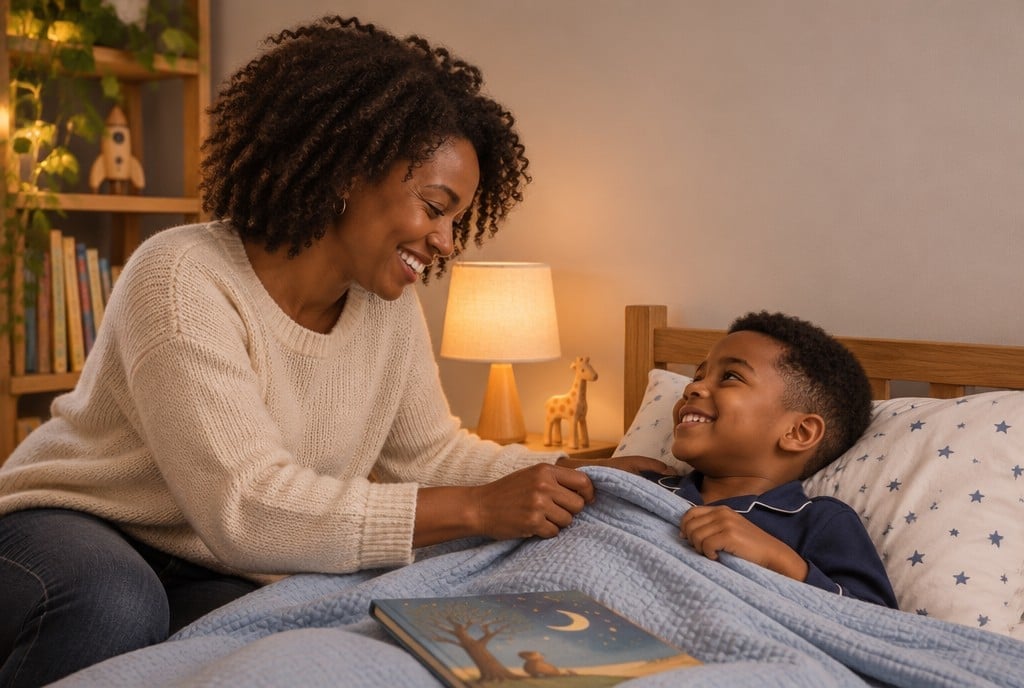
A 5-minute Spanish bedtime routine for any family.
When parents hear "teach your child Spanish at home," many picture flashcards and worksheets at the kitchen table. That is not where a bilingual home is built.
It is built in the kitchen, the car, the bathtub and the bedroom. It is built in the small moments you already have every day.
After 20+ years of teaching, here is what I know: a routine is the best place to start. It happens every day. It follows the same steps. Your child already knows what comes next. That makes it the perfect container for a few Spanish words.
You are not adding more work. You are adding Spanish to something you already do.
In my Bilingual Mommy Script, every routine follows the same shape: Opening · Middle · Closing.
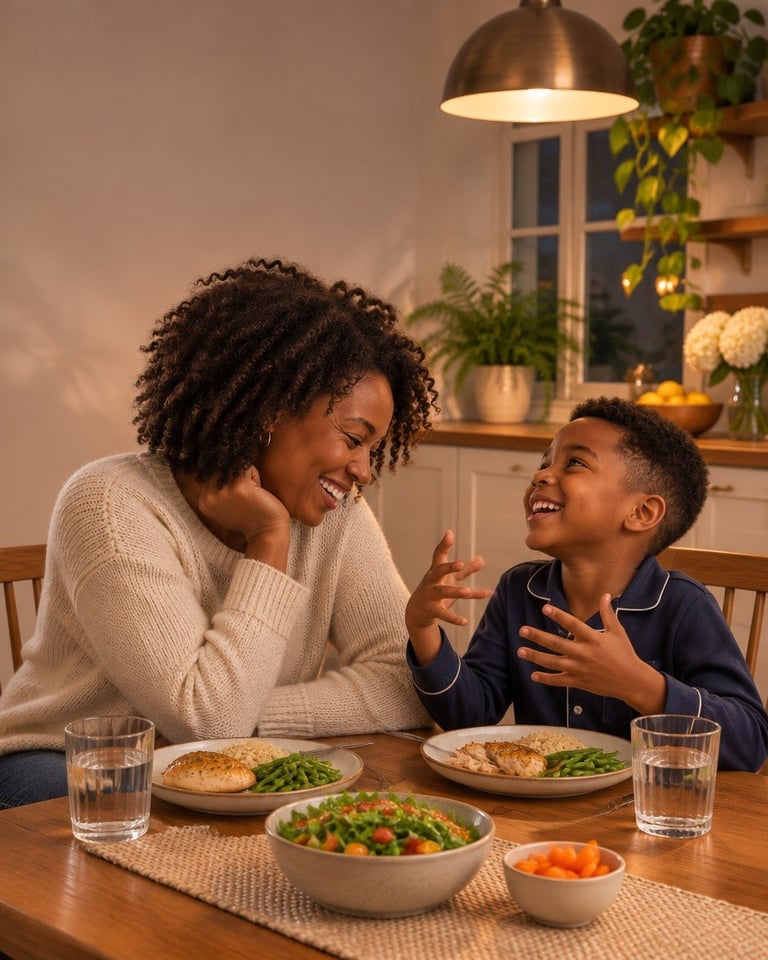
Start the same way every time. One short phrase tells your child the routine has begun.
"Es hora de dormir."
This is the routine itself. It is where your child hears the words and starts to use them. The SAY Method lives here.
"Primero, la pijama. Luego, los dientes."
End the same way every time. One warm phrase seals the routine with love.
"Buenas noches, mi corazón."
The Middle can change from day to day. The Opening and the Closing stay the same. That repetition is what makes the words stick.
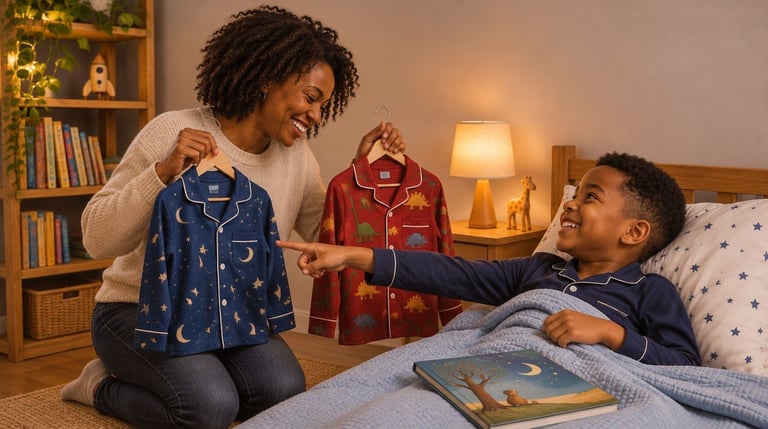
Say the phrase and show it. Point to it, gesture, hold up the toothbrush. Your child hears the words before you ask for them.
Ask a simple question that gives your child the words to answer. A choice works well.
"¿La pijama azul o la pijama roja?"
If your child answers in English or makes a mistake, do not correct. Say it back in Spanish and celebrate the try.
"¡Sí! La pijama azul. ¡Muy bien!"
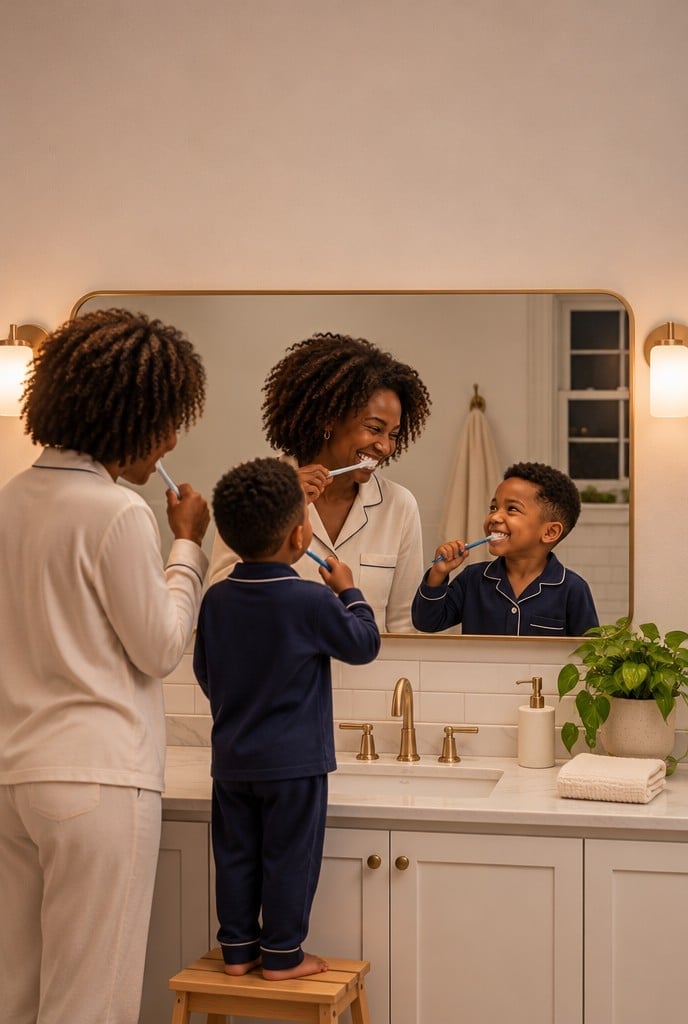
Opening
"Es hora de dormir."
Middle
Closing
"Buenas noches, mi corazón."
Use the same Opening and Closing every night for one week. Then add one new phrase to the Middle.
Spanish feels like a separate lesson. Put it inside a routine you already do.
Too many new words at once. Kids need repetition, not volume. One new phrase a week is plenty.
Expecting your child to talk right away. Children hear a language before they use it.
Correcting mid-sentence. Say it back the right way instead, then celebrate.
Changing the routine too often. Same steps, same words. That is what builds confidence.
Myth
My Spanish has to be perfect first.
Truth
Your child needs warm, steady Spanish. Not perfect Spanish.
Myth
Bilingual learning takes long lessons.
Truth
A few minutes inside a daily routine adds up.
Myth
Only families with Spanish-speaking roots can build a bilingual home.
Truth
Any family can, one routine at a time.
Every family has a rhythm. When you add Spanish to that rhythm, your child hears love and language at the same time.
Start with one routine. Keep it small. Keep it warm. Do it again tomorrow.
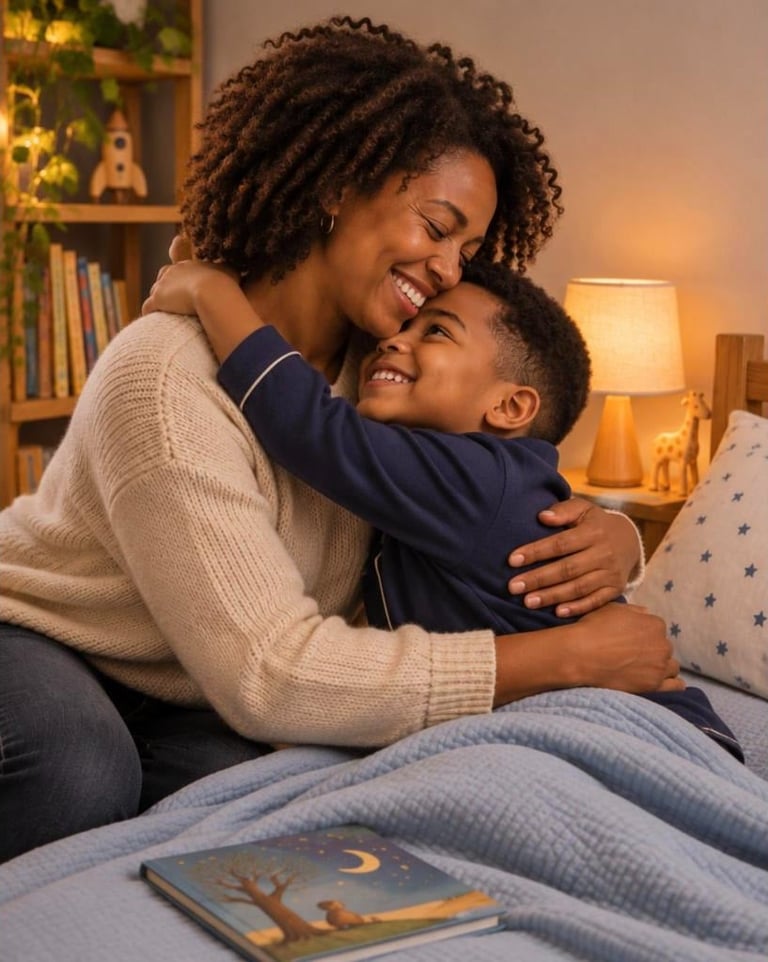
Take this routine to bedtime with ready-to-use Spanish phrases, built on the Bilingual Mommy Script approach.
Get the free kitNos vemos 💛
Lisa Renea Shaw
Founder and Chief Language Specialist, My Other Tongue · 20+ years teaching.